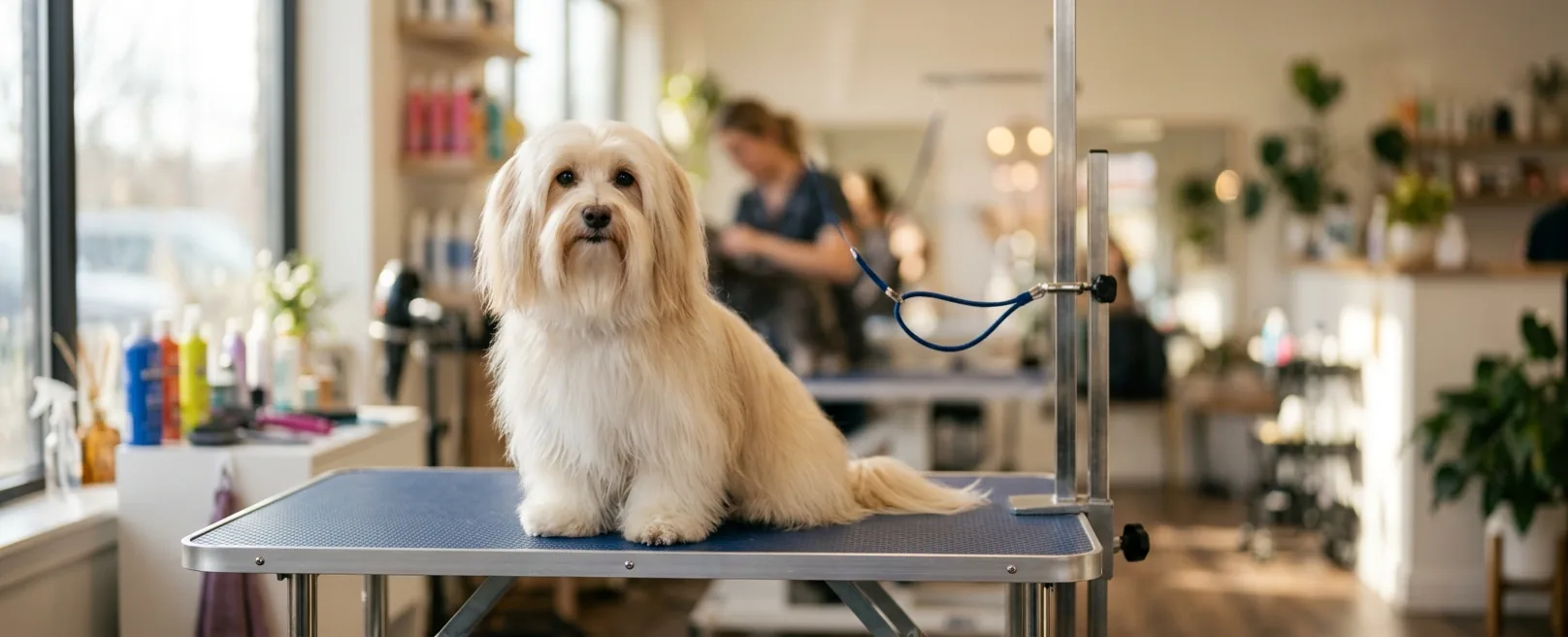
Havanese Grooming Guide
Everything you need to know about maintaining your Havanese's beautiful, silky coat.
The Havanese Coat
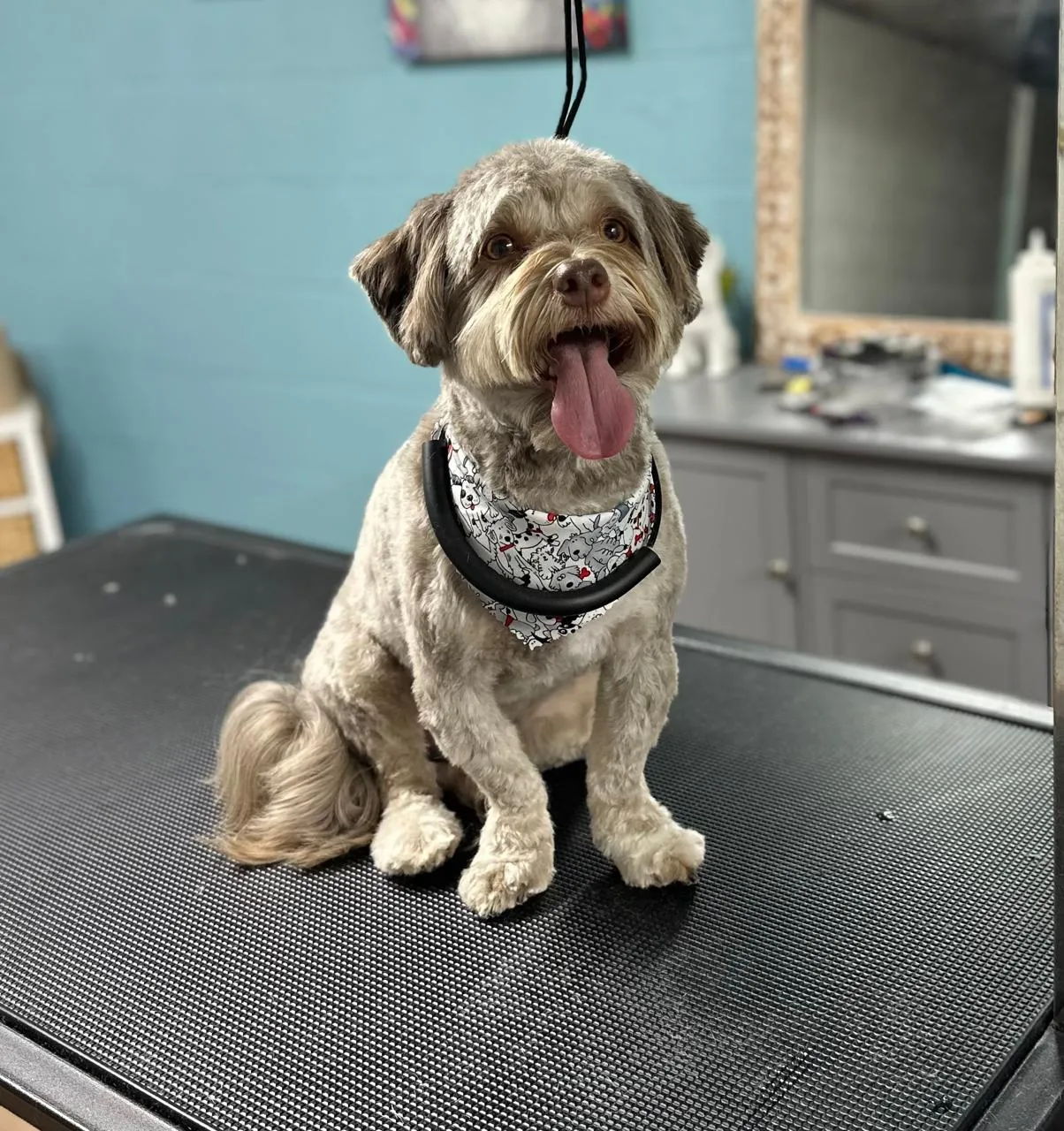
The Havanese has a single-layered, silky coat that can grow very long if left untrimmed. Unlike many breeds, they don't have an undercoat, which means minimal shedding. However, that silky texture tangles and mats easily if not brushed regularly. Their coat is sometimes compared to human hair in texture , lightweight, soft, and prone to knotting without consistent care.
Why Havanese Need Regular Grooming
Cuba's national dog was bred to be a companion, not an outdoor worker, but their coat still demands serious attention. Because the Havanese coat grows continuously and doesn't shed much, loose hairs stay trapped in the coat and quickly form mats.
Havanese that skip regular grooming can develop:
- Tight mats that pull painfully on the skin
- Skin irritation and hot spots hidden beneath matted fur
- Eye irritation from overgrown facial hair
- Ear infections from moisture trapped by ear hair
- Paw pad issues from hair growing between the toes
Recommended Grooming Schedule
| Coat Length | Professional Grooming | Home Brushing |
|---|---|---|
| Short (Puppy Cut) | Every 6-8 weeks | 2-3 times per week |
| Medium (Teddy Bear) | Every 4-6 weeks | Every other day |
| Long (Natural Coat) | Every 3-4 weeks | Daily |
Havanese kept on a regular 4-6 week schedule are easier to groom and spend less time on the table. A well-maintained coat also means lower grooming costs since there's no extra de-matting work.
Popular Havanese Haircuts
Puppy Cut
Trimmed to 1-2 inches all over for a clean, uniform look. The most practical choice for Havanese owners who want easy maintenance without sacrificing cuteness. Great for active dogs and warm weather.
Teddy Bear Cut
Body at 1-2 inches with a rounded face and fluffy ears. This is the most popular style , it highlights the Havanese's expressive eyes and sweet face while keeping the coat manageable.
Natural Long Coat
The classic Havanese look , a flowing, silky coat that reaches near the ground. Absolutely stunning but requires daily brushing and professional grooming every 3-4 weeks. Best for dedicated owners.
Topknot Style
Body trimmed to a practical length while the head hair is left longer and gathered into a topknot or ponytail. Keeps hair out of the eyes and shows off the Havanese personality. A fun, breed-appropriate look.
Mat Prevention Tips
Havanese are notorious for matting, and it can happen faster than most owners expect. Mats aren't just cosmetic , they pull on the skin, trap moisture, and can lead to painful skin infections.
Common Matting Hot Spots
- Behind the ears , The most common problem area. Fine hair tangles from head movement and ear rubbing.
- Under the front legs (armpits) , Constant friction from walking creates mats quickly.
- Belly and groin area , Soft hair mats from lying down, especially on carpet or bedding.
- Around the collar , Collar friction is a major culprit. Consider removing the collar at home.
- Between the paw pads , Hair grows between the toes and collects debris.
- Base of the tail , Tangles form where the tail meets the body.
How to Prevent Mats
- Brush to the skin , Surface brushing misses tangles forming close to the skin. Part the coat and work in sections.
- Use the right tools , A slicker brush for general brushing, followed by a metal comb to check for tangles you missed.
- Detangling spray , Lightly mist the coat before brushing. Never brush a completely dry Havanese coat.
- Brush before bathing , Water turns tangles into cement. Always brush thoroughly before bath time.
- Remove the collar at home , This single change prevents a large percentage of neck mats.
- Dry completely after baths , Damp hair mats much faster than dry hair.
Home Care Between Appointments
Brushing Routine
Use a slicker brush and work section by section, starting from the paws and working up. Hold the hair above where you're brushing so you don't pull on the skin. After brushing each section, run a metal comb through to check for any tangles hiding close to the skin. Pay extra attention to the ears, armpits, belly, and anywhere clothing or harnesses sit.
Eyes and Face
Havanese can develop tear staining, especially lighter-colored dogs. Wipe under the eyes daily with a damp cloth or pet-safe eye wipe. Keep the facial hair trimmed away from the eyes to prevent irritation.
Ears
Havanese have drop ears that trap moisture, making them prone to ear infections. Check ears weekly for odor, redness, or discharge. Hair grows inside the ear canal and may need to be plucked during professional grooming.
Paw Care
Hair grows between the paw pads and can collect ice, mud, and debris. Trim paw pad hair regularly or ask your groomer to keep it short. Check between the toes after walks.
What's Included in a Havanese Groom
- Thorough brush-out and mat removal
- Bath with coat-appropriate shampoo and conditioner
- Blow dry and fluff dry
- Haircut in your preferred style
- Face and eye area cleaning
- Ear cleaning and hair removal
- Nail trim
- Paw pad hair trim
- Sanitary trim
- Finishing spritz and bandana
Why Fancy Pet Salon for Your Havanese?
One Dog at a Time
Your Havanese gets my complete attention. No other dogs barking, no distractions, no waiting in a cage.
Cage-Free
No kenneling before or after. Your dog arrives, gets groomed, and goes home happy. Havanese are sensitive dogs who do best in calm environments.
Breed Experience
I understand the Havanese coat and how to work with that silky texture to achieve the look you want without stressing your dog.
Pricing
Havanese typically fall into our small dog category. Pricing depends on coat condition, style requested, and time between grooms.
- Basic Groom: Starting at $62
- Spa Day: Starting at $88 (includes teeth brushing, nail buff, premium products)
Severely matted Havanese may require additional time and cost. Regular 4-6 week appointments keep pricing consistent and your dog comfortable.
Related Grooming Guides
From our blog: Preparing Your Dog for the Groomer
Ready to Book Your Havanese's Groom?
Gentle, one-on-one grooming in a calm environment. Perfect for your little Cuban companion.